
The setting of the Bhagavad Gita
The story of the Bhagavad Gita takes place on a battlefield, Kurukshetra. The warrior Arjuna is about to fight, but he is overwhelmed by doubt and sadness and lets his bow fall. His charioteer is Krishna, who in that moment becomes his teacher. Their conversation is the Gita.
The teaching of samatva
In the second chapter, Krishna tells Arjuna to act with a steady mind, the same in success and in failure, and says that this evenness of mind is yoga: samatvam yoga uchyate (verse 2.48). Yoga here is not about difficult postures, but about inner balance.
What samatva means in daily life
It means staying calm when things change, doing our best without being ruled by the result, and meeting good days and hard days with the same kindness.
Why it fits gentle yoga for older adults
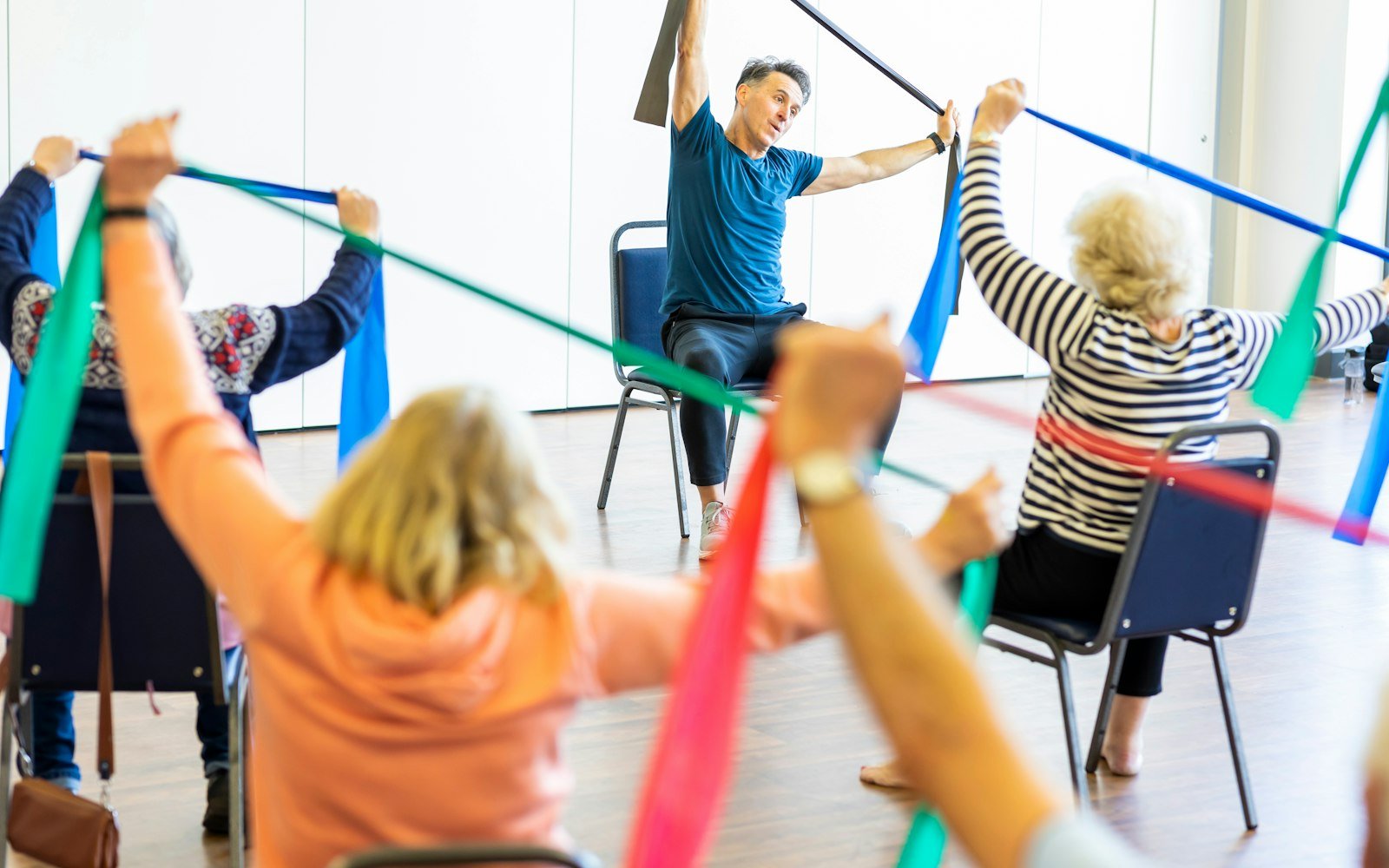
Ageing brings changes: a stiffer body, less strength, sometimes pain or loss. Samatva invites us to accept the body as it is today, without comparing ourselves to others or to who we were. That is exactly the spirit of the classes: no competition, just balance.
Why I chose this name
I chose the name Samatva because it describes what I hope people find in my classes. For me, yoga has never been about touching my toes or holding a perfect pose, but about coming back to balance – in the body, in the breath and in the mind – whatever kind of day it is. Samatva reminds me, and I hope my students too, to meet ourselves with patience and kindness, exactly as we are today.
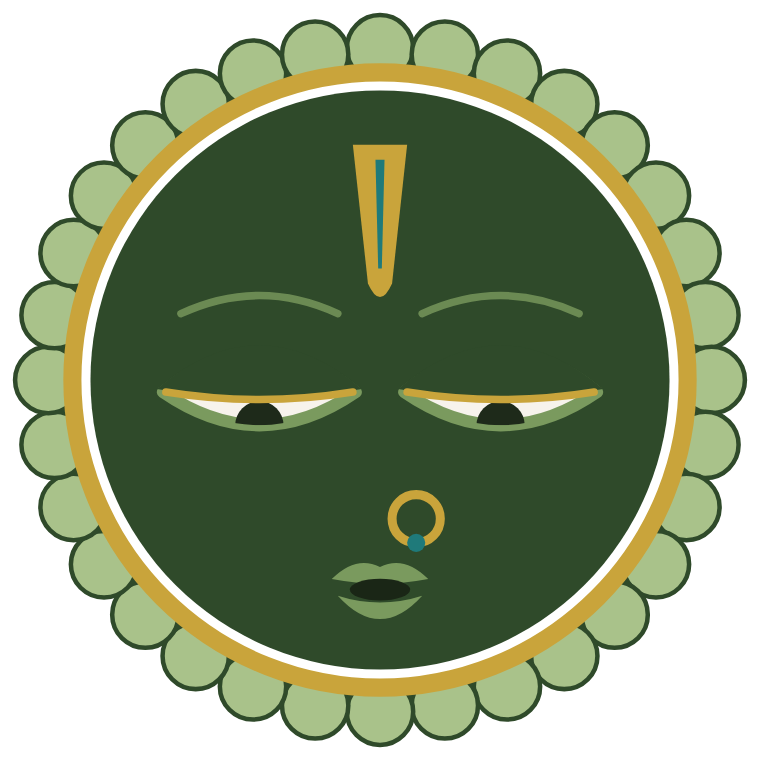
The Samatva Yoga logo carries the same idea. The face is inspired by Jagannath, a form of Krishna traditionally shown with large, round, wide-open eyes. I changed it on purpose: from an expression that feels restless, unaligned and almost mischievous to one that is more relaxed and centred. For me it shows the change that samatva describes – from inner chaos to balance.